Here are the details of a few of the coal mines that EnvA has campaigned against
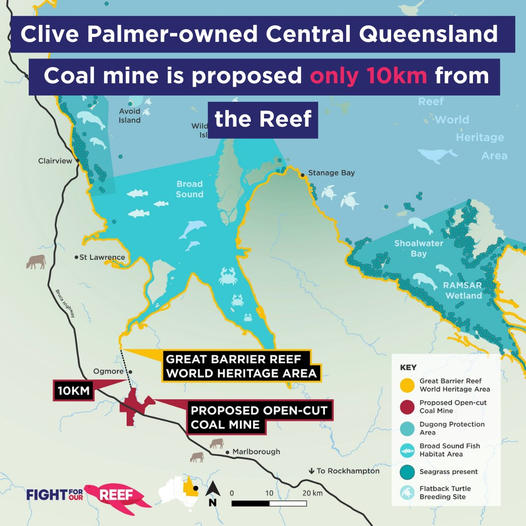
Central Queensland Coal
Clive Palmer proposed to build an open-cut coal mine about 130 kilometres north-west of Rockhampton – just 10 kilometres from the wetlands that feed into the Great Barrier Reef.
The Central Queensland Coal proposal would have produced up to 10 million tonnes per year of thermal and coking coal for 18 years. This equates to an estimated 124 million tonnes of CO2-e along with direct impacts to the water quality entering the Reef.
Expert scientists, the Queensland Government, environmentalists, tourism operators, fishers and CQ locals all celebrated when this mine was rejected!
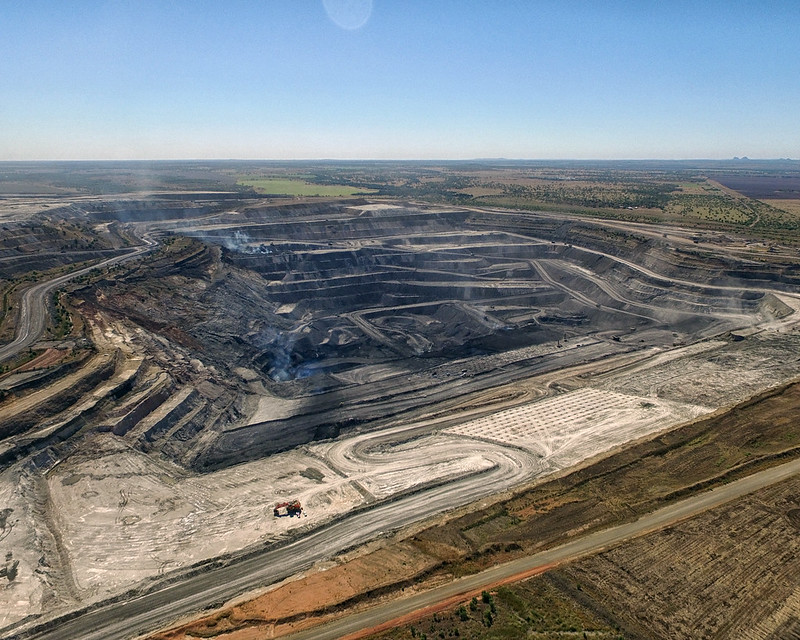
Valeria – a win!
Glencore’s Valeria project would have been a massive new thermal and metallurgical coal mine near the towns of Emerald and Capella in Central Queensland.
The 20 million tonne per annum project would have carved up 10,000 ha of land to make way for six giant coal pits, rail lines, and mine infrastructure. It would have cleared large areas of important koala habitat, damaged wetlands and waterways, and would have been responsible for over a billion tonnes of CO2-e.
In welcome news, Glencore have announced that are withdrawing their plans for Valeria.
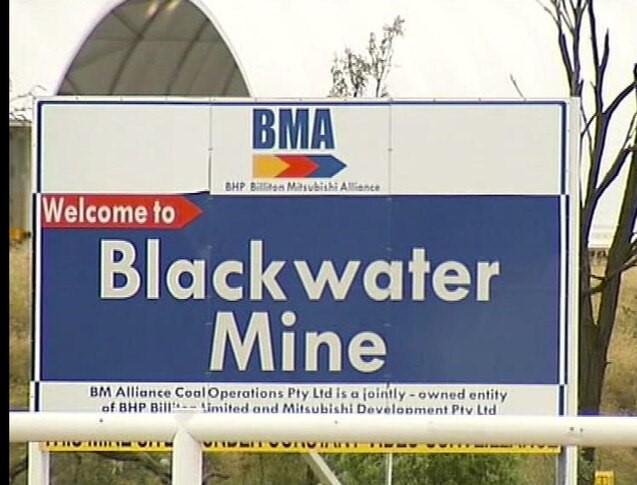
Blackwater South
BHP Mitsubishi Alliance (BMA) proposes to develop the Blackwater South Coking Coal Project adjacent but separate to the Blackwater Mine, 80 km south-east of Emerald in the Bowen Basin.
The proposed mine would span approximately 20,200 hectares, with a disturbance footprint of approximately 13,250 hectares including large areas of threatened species habitat.
The project would involve the extraction of up to 10 million tonnes of coal per year for up to 90 years!
More information coming soon!
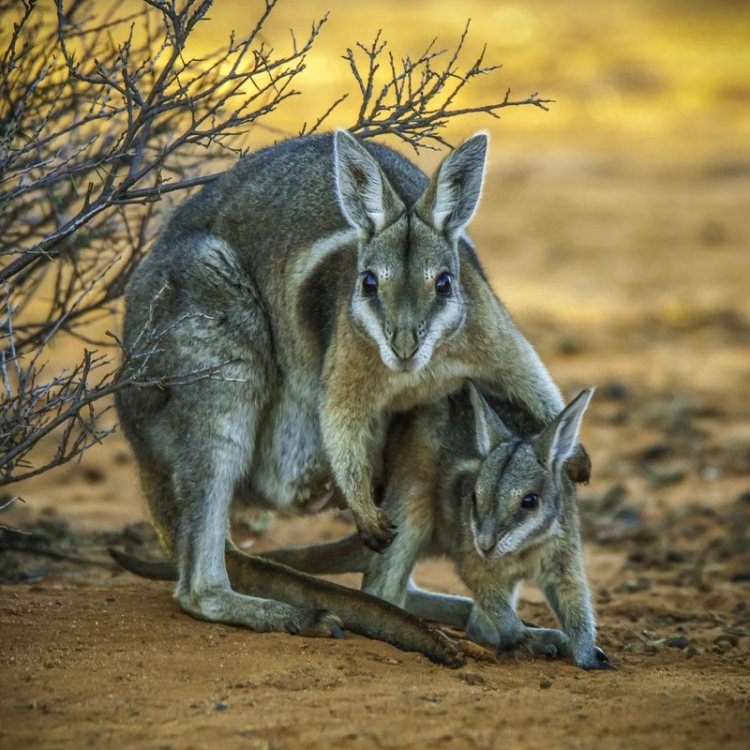
Gemini
Magnetic South’s Gemini project is located about six kilometres west of Dingo about 120 kilometres west of Rockhampton. The mine would extract about 1.9 million tonnes of metallurgical coal over 20 years.
Despite a number of threatened species and communities, and the plan to leave mine voids on a flood plain, no Environmental Impact Assessment was required and the project was not referred for assessment under the EPBC Act.
Of even more concern is the location of the mine very close to Taunton National Park – a park that was gazetted to protect the critically endangered bridled nail-tail wallaby.
Peak Downs Continuation
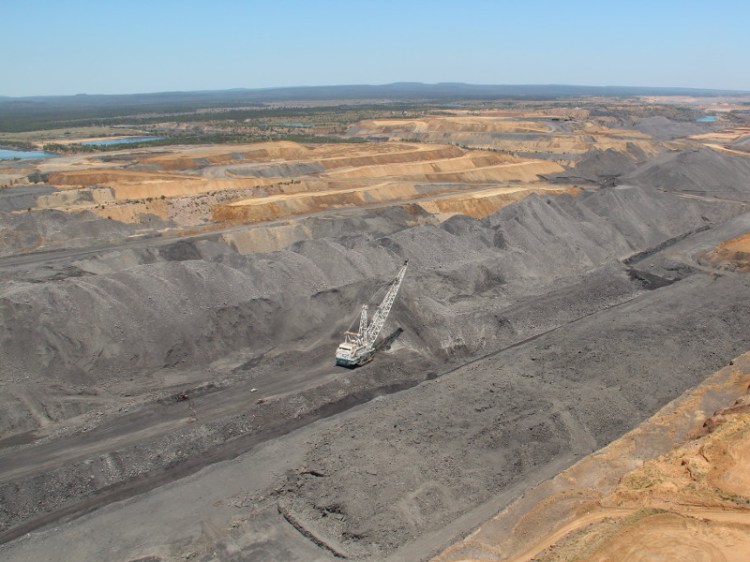
BHP Mitsubishi Alliance (BMA) seeks to extend the life of the Peak Downs mine until 2116, extending the planned life of the existing Peak Downs mine by 93 years.
This proposed mine extension will cover a further 4,062ha, including large areas of threatened species and listed migratory bird species habitat. It will also have significant impacts on water quality entering local waterways which feed the largest Great Barrier Reef catchment.
EnvA will actively campaign against this project. The world will not survive the climate impacts of the billions of extra tonnes of greenhouse gas emissions this mine would produce.
More information coming soon!
Baralaba South
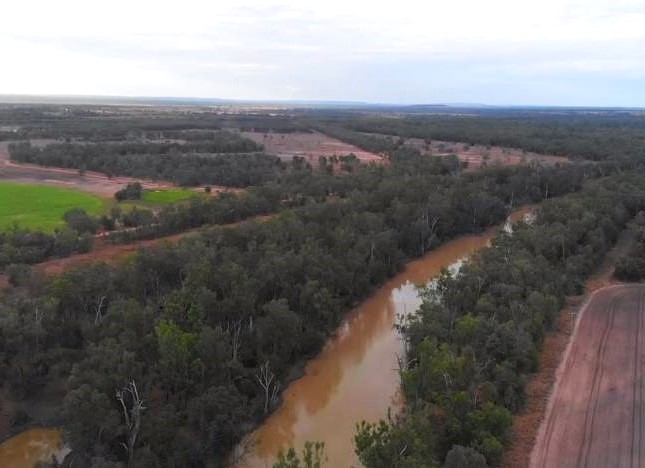
Mount Ramsay Coal Company’s Baralaba South project is a proposed new, open-cut pulverised coal injection and thermal coal mine located on prime agricultural land 10km south of Baralaba. It is just 500m from the Dawson River on a floodplain where the river spreads to 11km wide during floods.
The mine would produce approximately 5 million tonnes per year for at least 20 years and result in an estimated 182 million tonnes of CO2-e.
The world is moving away from thermal coal. This mine definitely doesn’t stack up in so many ways.
More information coming soon!
Winchester South
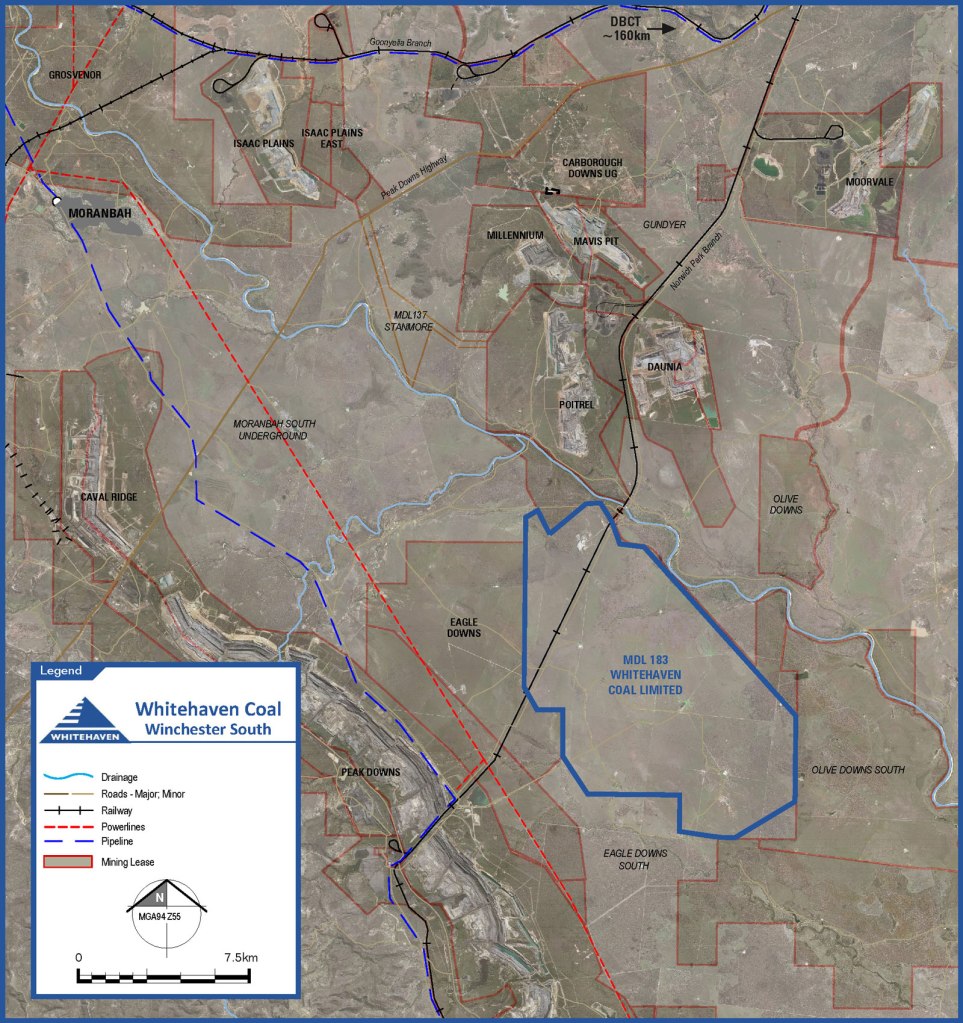
Whitehaven’s Winchester South project is a proposed new open-cut thermal and metallurgical coal mine 30km south-east of Moranbah. Approximately 15 million tonnes per year of ROM coal will be extracted for approximately 30 years.
The total proposed disturbance footprint of the mine is 7,130 ha and will include direct impacts to threatened species and communities in addition to the over half a billion tonnes of greenhouse gases.
Whitehaven have provided rehabilitation plans, but these are based on leaving huge mine voids and creating introduced grasslands for cattle grazing – nothing to fix the threatened species habitat that will be destroyed.
More information coming soon!

 EnvA - CQ