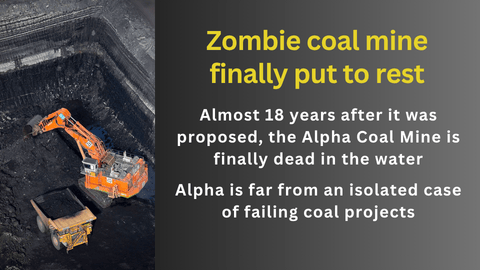
Almost 18 years after it was first proposed, the Alpha Coal Mine has finally reached the end of the line, with its associated company Hancock Coal Pty Ltd entering liquidation. Its demise comes amid growing instability across Queensland’s coal industry, with other operators also struggling, mines closing and jobs disappearing.
The proposed mine in Queensland’s Galilee Basin was once touted as a major new coal development, promising to produce up to 30 million tonnes of thermal coal every year for 30 years. Yet, despite years of planning, substantial investment and environmental approvals, not a single tonne of coal was ever produced.
Environmental Advocacy in Central Queensland (EnvA) says the demise of Alpha is another reminder that big coal promises do not always translate into viable mines and raises serious questions about the future of Queensland’s proposed coal expansion.
Originally proposed by Hancock Prospecting in 2008, Alpha was intended to become one of Queensland’s largest thermal coal mines. The development depended on a massive supporting infrastructure project, including a proposed 495-kilometre railway linking the Galilee Basin to the Abbot Point coal export terminal.
In 2011, India’s GVK Group acquired a majority interest in the project as part of a much larger investment in the Galilee Basin, but the ambitious plans never materialised.
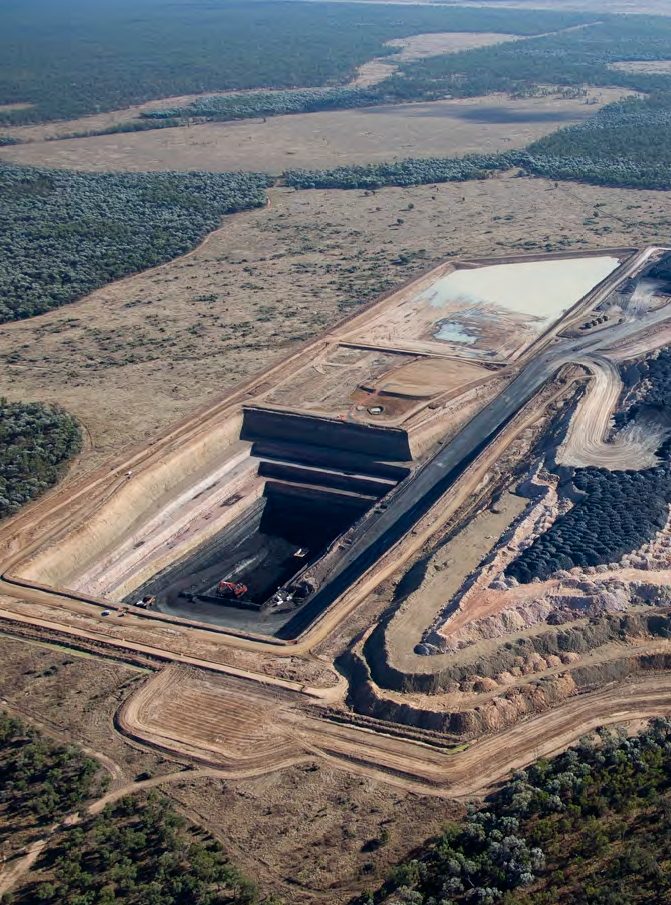
Photo: Hancock-GVK (2011)
Despite receiving Queensland and Commonwealth environmental approvals in 2012, the project became bogged down in Land Court proceedings over groundwater impacts, years of delays, financing difficulties and the challenge of securing the enormous investment needed for its supporting infrastructure.
The October 2026 liquidation of Hancock Coal, along with four other Australian subsidiaries associated with GVK’s Galilee Basin projects, marks another setback for the region’s proposed coal expansion.
But Alpha is far from an isolated case.
Across Central Queensland, coal companies are facing financial difficulties, operations are being suspended, mines are being placed into care and maintenance, and workers are losing their jobs.
In February this year, Central Queensland metallurgical coal producer Vitrinite entered administration and receivership, with operations at its Vulcan mine complex suspended and the mine subsequently placed into care and maintenance.
This followed the collapse of Bowen Coking Coal in July 2025, which created considerable uncertainty for workers at its Burton Mine Complex and other operations.
The situation at Bluff has since taken an even more concerning turn. After being placed into care and maintenance in 2023, the mine was abandoned following the failure of a proposed sale, with liquidators disclaiming the mining lease and associated environmental authority in September 2026. The Queensland Government has now taken responsibility for managing the site and its outstanding risks.
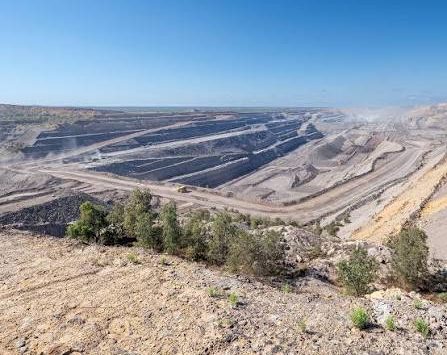
Meanwhile, BHP Mitsubishi Alliance has mothballed its Saraji South project, and job cuts have been reported across other major coal operators, including Whitehaven, Coronado, QCoal and Anglo American.
TerraCom’s Blair Athol coal mine is also in trouble – recently announcing a $53 million write-down of the mine’s value as the thermal coal sales decrease.
EnvA Director Dr Coral Rowston said the growing number of setbacks across both thermal and metallurgical coal operations should prompt a serious rethink of Queensland’s continued push for new coal developments.
“Alpha is a particularly striking example. It was supposed to produce 30 million tonnes of coal every year, yet after almost 18 years of planning and promotion, it has ended in liquidation without producing a single tonne.
“But it’s not just proposed thermal coal mines that are struggling. We’re also seeing significant financial difficulties in the metallurgical coal sector, operating mines being suspended or abandoned, and workers and regional communities left dealing with the consequences.
“The circumstances differ from mine to mine, but the message is clear: coal is not the guaranteed economic success story it is so often portrayed to be.”
Dr Rowston said governments needed to look beyond the headline job and royalty promises made by mining companies and consider the risks when projects fail or become uneconomic.
“Coal companies regularly justify new projects on the promise of jobs, investment and royalties. But what happens when the company collapses, the mine closes or the promised investment never arrives?
“Workers lose their jobs, local businesses lose income and, as we’re now seeing at Bluff, the responsibility for managing abandoned mine sites and their environmental risks can ultimately fall back on the Queensland Government and taxpayers.
“These are real costs that need to be considered when governments assess proposals for new and expanded mines.”
Dr Rowston said Central Queensland needed a more secure economic future than one built on continued dependence on coal.
“We shouldn’t be planning our region’s future on the assumption that every proposed coal mine will proceed, or that international demand and coal prices will remain strong indefinitely.
“Our communities deserve better than boom-and-bust economics. We need a genuine plan for a more diverse regional economy that delivers secure jobs and opportunities well beyond the life of the next coal mine.”
Further reading: The history of the Alpha Coal Mine from proposal to liquidation (2008-2026)

